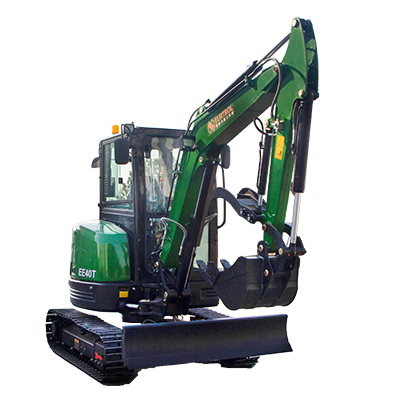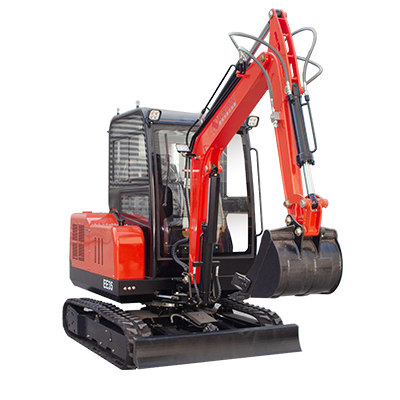

EE65 Mini Excavator Winter Maintenance Guide: Keep Your Mid-Sized Compact Excavator Running Strong Through Rural Winters
Essential Tips to Protect Your Equipment From Cold, Ice, and Mud
For rural contractors and agricultural operators relying on the EE65 mini excavator for winter land improvement, road repairs, and livestock infrastructure projects, cold weather poses unique risks: frozen hydraulic lines, battery failure, and track damage from ice and mud can halt work for days. This winter maintenance guide for your EE65 mid-sized compact excavator draws on industry-leading best practices to keep your machine reliable, reduce downtime, and extend its lifespan—even in the harshest rural winter conditions.
1. Engine Winterization: Protect Your Yanmar-Powered Performance
The EE65’s Yanmar engine is built for durability, but cold temperatures thicken oil, reduce battery output, and increase wear on critical components. Follow these steps to keep it running smoothly:
Oil Change: Switch to a 5W-30 low-viscosity engine oil to ensure proper lubrication in sub-zero temperatures. This prevents engine strain during startup, a key tip for mini excavator winter engine care.
Battery Care: Clean terminals and apply anti-corrosion grease to prevent voltage loss. For remote rural sites, use a trickle charger when the machine is not in use to avoid dead batteries—common in compact excavators stored in unheated sheds.
Fuel System: Add a winter-grade fuel stabilizer to the 30L tank to prevent fuel gelling, which can block lines and leave you stranded on a frozen farm site. Run the engine for 5–10 minutes before starting work to warm the fuel system.
2. Hydraulic System Maintenance: Prevent Freezing and Pressure Loss
The EE65’s 41L hydraulic tank powers attachments like the enlarged bucket and dozer blade—systems vulnerable to cold-weather damage.
Fluid Flush: Replace hydraulic fluid with a ISO 32 low-temperature grade to maintain flow and prevent freezing. This is critical for hydraulic system maintenance for compact excavators in cold weather.
Line Inspection: Check hydraulic pipes and connections for cracks or leaks, as cold temperatures make rubber brittle. Tighten fittings and apply protective tape to exposed lines to shield them from ice and snow.
Warm-Up Routine: After starting the engine, cycle all hydraulic functions (swing, lift, bucket movement) for 3–5 minutes to warm the fluid. This ensures responsive operation when digging frozen irrigation trenches or clearing snow from rural roads.
3. Undercarriage & Track Care: Traction and Durability on Ice and Mud
Rural winter job sites often feature icy fields and muddy roads—conditions that test the EE65’s 400mm wide tracks and undercarriage.
Track Tension: Adjust track tension to compensate for cold-weather contraction. Over-tightened tracks can snap in freezing temperatures, while loose tracks slip on ice.
Debris Removal: After each use, clear mud, ice, and snow from the undercarriage and track links. Frozen debris accelerates wear, so use a pressure washer (when temperatures are above freezing) or a stiff brush to keep components clean.
Traction Enhancement: For steep, icy slopes, install steel track cleats to improve grip—an essential upgrade for EE65 mini excavator winter traction on rural terrain.
4. Cab & Electrical System: Operator Safety and Comfort
Winter work demands a functional, safe cab to keep operators productive during long, cold shifts.
Battery and Lights: Test LED work lights and electrical connections to ensure visibility in short winter days. Replace worn bulbs and check wiring for frost damage.
Heater and Seals: Inspect the cab heater and door seals to prevent cold air from entering. A well-sealed cab reduces operator fatigue, a key factor in maintaining efficiency on rural winter projects.
Fire Extinguisher: Verify your fire extinguisher is fully charged and accessible—critical for addressing fuel leaks or electrical fires in dry, cold conditions.
5. Long-Term Storage: Protect Your Investment When Not in Use
If your EE65 will be stored for weeks during the off-season, take these steps to avoid costly repairs in spring:
Clean and Dry: Wash the entire machine, including the bucket and dozer blade, to remove mud and salt. Dry components thoroughly to prevent rust.
Elevate the Machine: Use jacks to lift the excavator off the ground, reducing track pressure and preventing flat spots on rubber tracks.
Cover and Ventilate: Store in a covered, ventilated shed to protect against snow and moisture. Avoid plastic tarps, which trap condensation and cause rust.
Ready to ensure your EE65 mini excavator is winter-ready for rural construction and agricultural projects? Contact our team today to request a free printable EE65 winter maintenance checklist tailored to your machine’s specifications, or schedule a professional pre-winter inspection to avoid unexpected downtime.