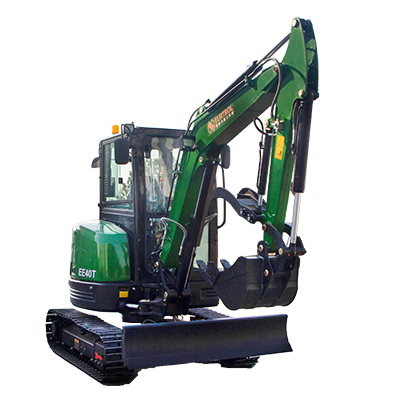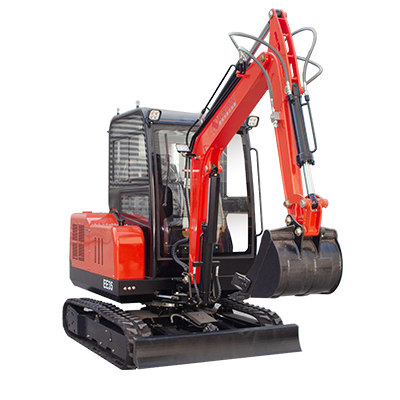

Mastering excavator bucket control is essential for maximizing productivity and extending equipment lifespan. Whether you're a seasoned operator or new to mini excavators, understanding the nuances of bucket operation can transform your workflow. In this guide, we'll walk you through practical techniques using the Eurtrol EE40T mini excavator as our reference model.
Getting Comfortable with Your Controls
Every excavator has its own personality, and the EE40T is no exception. Before you start digging, spend time familiarizing yourself with the joystick controls in the spacious operator cab.
The EE40T features an intuitive hydraulic control system that responds smoothly to operator input. The right joystick typically controls the boom and bucket functions—push forward to lower the boom and curl the bucket inward for digging, pull back to raise the boom and dump material. The left joystick manages the arm (dipper stick) and house swing.
Pro tip: The EE40T's ergonomic cab design reduces operator fatigue during long shifts, allowing you to maintain precise control throughout the workday.
Coordinating Swing and Bucket Movements
Efficient excavation isn't just about moving the bucket—it's about coordinating multiple functions simultaneously. Here's how to develop that rhythm:
The Loading Cycle
Grading and leveling: Combine boom, arm, and bucket movements while traveling slowly
Trenching: Synchronize arm extension with bucket curling to maintain consistent depth
Loading trucks: Time your swing with boom raise and bucket dump for clean, accurate placement
Inspect bucket teeth and cutting edge for wear
Check hydraulic hoses for leaks or damage
Verify quick coupler security if using attachments
Test all control functions at idle speed
Grease bucket pins every 8-10 operating hours
Check and tighten bucket linkage bolts weekly
Replace worn teeth promptly to protect the bucket structure
Keep the 40L fuel tank topped off to prevent condensation
Start by practicing two functions simultaneously, then gradually add the third. The EE40T's proportional hydraulic controls give you the finesse needed for delicate work.
Adapting to Different Materials
The EE40T's 0.11m³ bucket capacity is perfect for a variety of applications, but material type should influence your technique:
| Material | Bucket Angle | Approach |
|---|---|---|
| Loose soil/sand | Aggressive curl | Quick, shallow passes |
| Clay | Moderate angle | Slow, steady penetration |
| Gravel | Slight curl | Multiple small scoops |
| Compact soil | Shallow angle | Use arm crowd force |
The EE40T's Kubota 1703 engine delivers 18.2kW of reliable power, giving you the torque needed for tougher materials without overworking the hydraulics.
Leveraging Machine Geometry
Understanding your excavator's working envelope helps you work smarter. The EE40T offers impressive reach with a maximum digging depth of 3,071mm and digging height of 4,815mm.
Optimize Your Positioning
Operating Best Practices
Why the EE40T Excels for Precision Work
With its compact 1,500mm body width and 2,250mm minimum swing radius, the EE40T navigates tight spaces where larger machines can't operate. The enclosed cab provides all-weather comfort, while LED lighting extends your productive hours.
The machine's 4.0/2.3 km/h travel speed lets you reposition quickly between work areas, and the 68°/50° boom swing angle provides excellent flexibility for offset digging.
Conclusion
Operating an excavator bucket with precision comes down to practice, patience, and understanding your machine. The EE40T mini excavator's responsive controls and well-designed hydraulic system make it an excellent platform for developing your skills.
Start with simple movements, gradually build to compound operations, and always adapt your technique to the material and conditions. With time, you'll handle the EE40T like an extension of yourself—efficient, precise, and productive.
Ready to experience the EE40T difference? Contact Eurtrol today to schedule a demonstration and see how this versatile mini excavator can transform your operation.
Specifications subject to change. Always consult the operator's manual for complete safety and operating instructions.