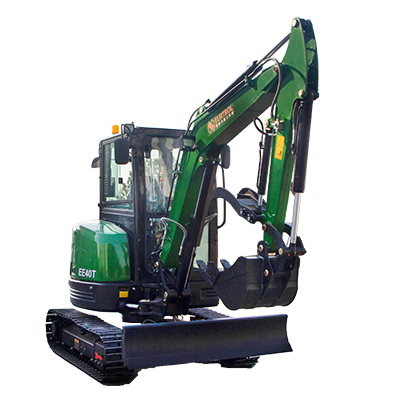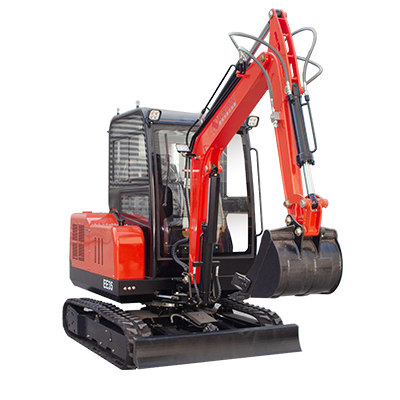

At high altitude, air density drops significantly — and so does your excavator's output. Engine power can fall **15–30%** at 3,000–4,000 meters compared to sea level. The solution isn't one single part swap; it's a coordinated set of upgrades across the turbocharger, intake, cooling, fuel, and starting systems.
Why Altitude Hurts Diesel Performance?
Diesel engines are air-hungry by nature. At elevation, every intake stroke pulls in less oxygen, which means less fuel can burn efficiently per cycle. The visible symptoms: sluggish throttle response, black exhaust smoke under load, frequent overheating, and hard cold-morning starts. Left unaddressed, these conditions accelerate wear on injectors, turbo seals, and piston rings.
5 Upgrades That Actually Work
1. Turbocharger Upgrade
The single most effective fix. A turbocharger forces compressed air into the cylinders, partially compensating for what thin air takes away.
- Fit a larger-frame turbo with greater airflow capacity and higher RPM/temperature headroom
- For low-speed torque retention, choose a design with a small turbine housing and an integral wastegate bleed valve— this keeps spool-up responsive at altitude
- Pair with an upgraded intercooler to cool the denser charge air and improve combustion efficiency
2. Intake System Optimization
- Replace the stock air filter with a high-flow, large-area unit to cut intake restriction
- At altitude, every millibar of pressure drop across the filter matters — inspect and clean more frequently
- Route intake ducting away from engine heat sources to draw in the coolest, densest air available
3. Cooling System Overhaul
Lower atmospheric pressure reduces coolant's boiling point, making overheating a real risk even in cold ambient temps.
- Raise the radiator pressure cap rating to restore the effective boiling point of coolant
- Upgrade to a louvred-fin radiator — more resistant to clogging with coarse dust common on high-altitude sites
- Increase fan diameter or fit a variable-speed hydraulic fan to guarantee sufficient airflow at low engine RPM
4. Fuel System Cold-Weather Prep
Cold altitude mornings thicken diesel, increase wax precipitation, and can block fuel lines.
- Install a heated fuel pre-filter with electric element between the fuel/water separator and the lift pump
- Use winter-grade or arctic diesel when temperatures drop below 0°C, or treat with anti-gel additive
- Inspect rubber fuel lines for UV embrittlement — high-altitude environments age fuel hose quickly
5. Cold-Start System Upgrades
- Fit an intake air preheater to warm combustion air before cranking
- Add a coolant pre-circulation heater — bringing the block to 30–40°C before start reduces cranking load and dramatically cuts cold-start wear
- Select a starter motor rated for the lowest expected ambient temperature on site
FAQ
How much power can these upgrades realistically recover?
A well-matched turbo and intake upgrade can recover 60–80% of sea-level output*at around 4,000m.
What engine oil viscosity should I use at altitude?
Use the grade for the coldest temperature on site. In cold high-altitude conditions, 5W-40 full-synthetic outperforms 15W-40 mineral oil significantly.
Do I need a specialist to do this?
Turbo swaps, filter upgrades, and pre-heater installs are within reach of an experienced diesel mechanic. Injection pump recalibration requires specialist equipment and should not be attempted without proper tooling and altitude-specific data maps.
Need altitude-rated parts or a custom upgrade kit for your excavator? Contact our technical team — we support worksites from sea level to 5,000m.